Inches of Mercury (inHg)
Inches of mercury measure pressure as the height of a mercury column in inches exerted by atmospheric or other pressures. One inch of mercury equals approximately 3,386.389 pascals (Pa). This unit is commonly used in barometry and aviation altimetry.
Origin
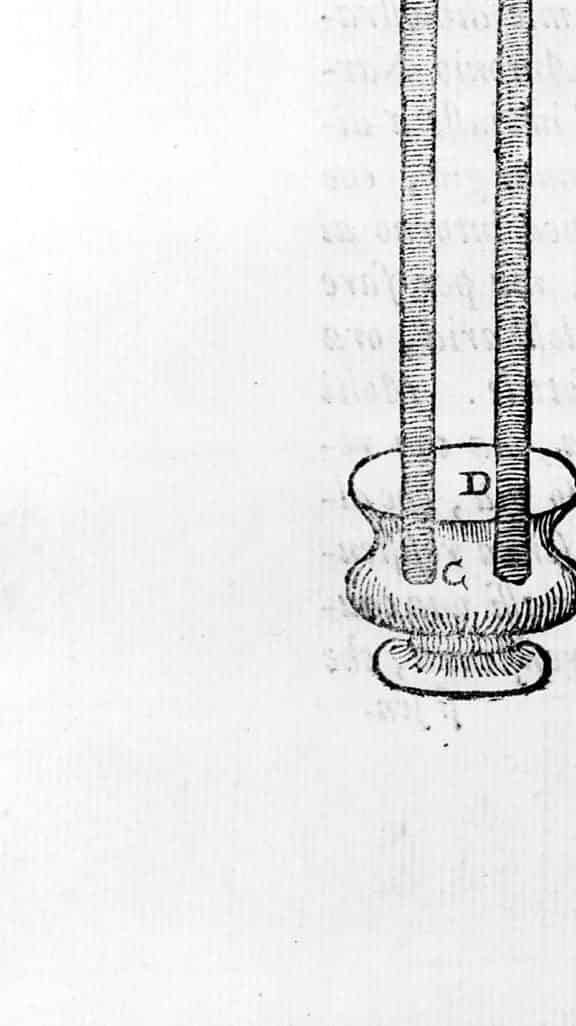
The unit originates from mercury barometers developed by Evangelista Torricelli in 1643. Measuring pressure via mercury column height became standard in meteorology and aviation. The inch unit was adapted for use in English-speaking countries.
Worldwide Use
Inches of mercury are used mainly in the United States and Canada for weather reports and aircraft altimeters. Internationally, the pascal is preferred, but inHg remains common in aviation and HVAC industries.
Common References
- Tire pressure gauges may be calibrated in inHg for vacuum
- Barometric pressure changes in weather forecasts are given in inHg
Inches of Mercury → Pascals1 inHg = 3,386.389 PaInches of Mercury → Kilopascals1 inHg = 3.3864 kPaInches of Mercury → Megapascals1 inHg = 0.0034 MPaInches of Mercury → Hectopascals1 inHg = 33.8639 hPaInches of Mercury → Bars1 inHg = 0.0339 barInches of Mercury → Millibars1 inHg = 33.8639 mbarInches of Mercury → Atmospheres1 inHg = 0.0334 atmInches of Mercury → Torr1 inHg = 25.4001 TorrInches of Mercury → Millimeters of Mercury1 inHg = 25.4001 mmHgInches of Mercury → Pounds per Square Inch1 inHg = 0.4912 psiInches of Mercury → Kilopounds per Square Inch1 inHg = 0.0005 ksiInches of Mercury → Inches of Water1 inHg = 13.5955 inH₂O