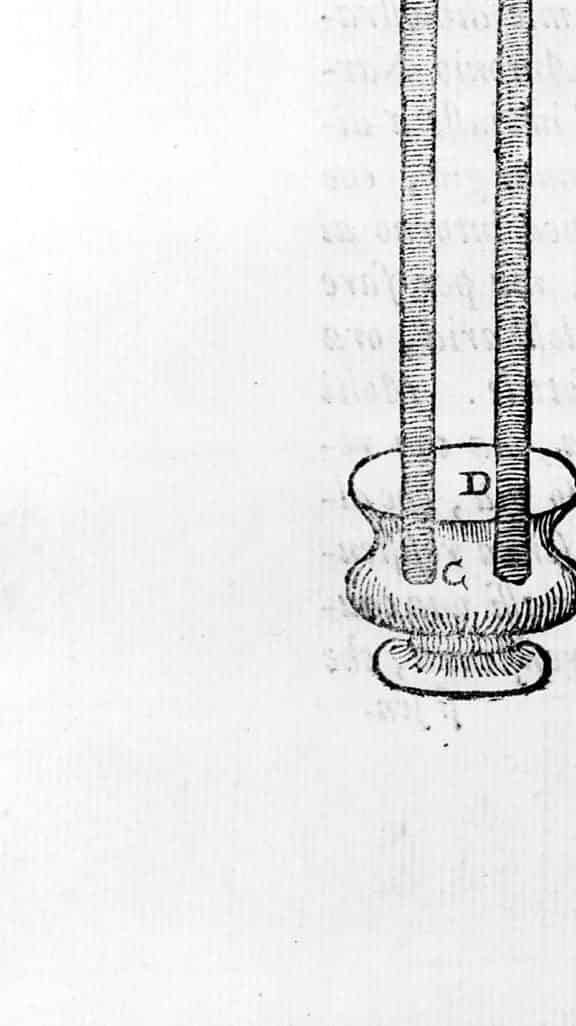
Millimeters of Mercury (mmHg)
Millimeters of mercury (mmHg) measure pressure based on a column of mercury 1 millimeter high. It equals exactly 133.322387415 pascals, the SI derived unit for pressure, as defined by international standards. This unit is widely used in medical and meteorological fields for blood pressure and barometric pressure readings.
Origin
The mmHg unit originated from the mercury barometer invented by Evangelista Torricelli in 1643. It became standardized as a pressure unit because mercury's density allowed precise atmospheric pressure measurements.
Worldwide Use
Millimeters of mercury remain common in healthcare worldwide, especially for blood pressure monitoring in the US and Europe. Meteorologists also use mmHg in weather reporting, though pascals are preferred in scientific contexts. Regulatory standards by ISO and NIST recognize mmHg for specific applications.
Common References
- Mercury barometers use mmHg to indicate atmospheric pressure
- Medical sphygmomanometers measure pressure in mmHg