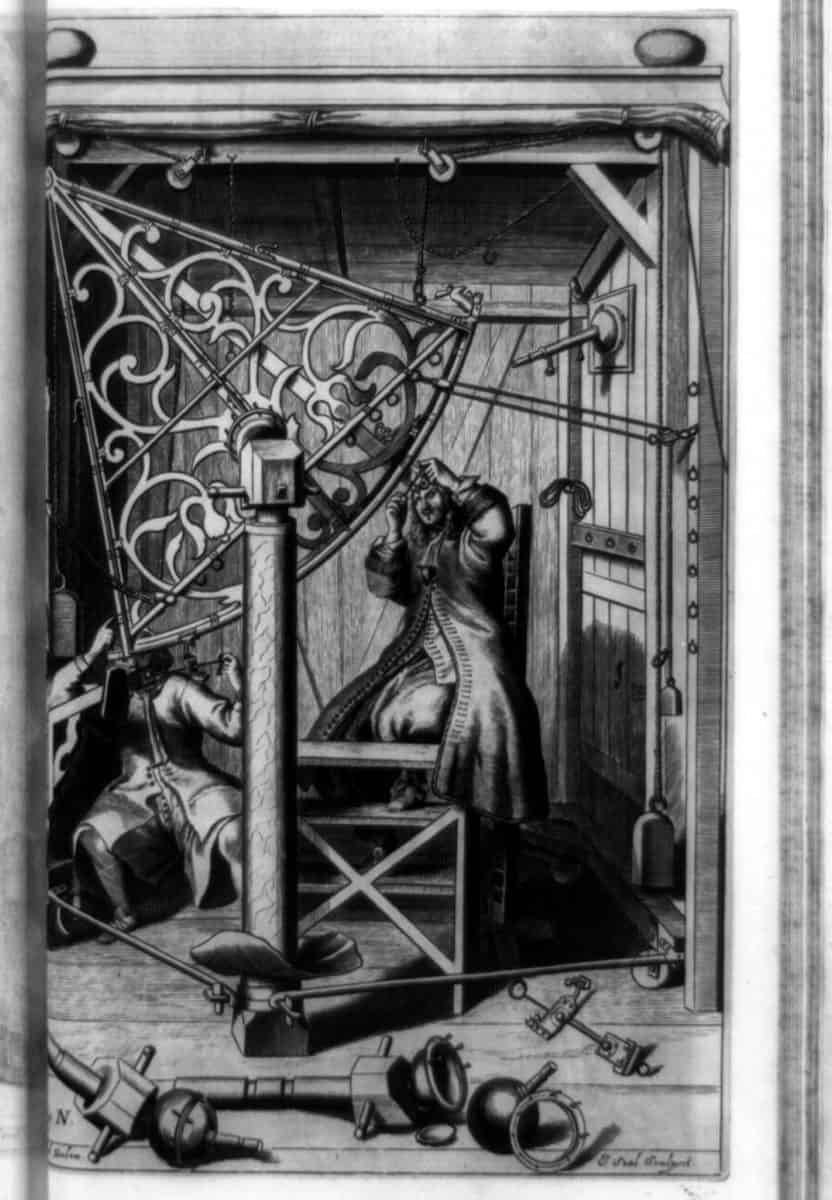
Octants (oct)
An octant is a unit of angular measurement equal to 45 degrees or one-eighth of a full circle (360 degrees). It is used in historical and navigational contexts to describe angular divisions. One octant corresponds to π/4 radians according to angular standards.
Origin
The octant dates to early navigation instruments developed in the 18th century, notably the reflecting octant invented by John Hadley in 1731. It was adopted to improve celestial navigation accuracy before the sextant became widespread.
Worldwide Use
While largely replaced by degrees and radians, octants remain referenced in historical navigation and maritime heritage. Some naval training and museums preserve knowledge of octants as part of seafaring traditions.
Common References
- Dividing a compass rose into eight octants
- Measuring angles in traditional celestial navigation
Octants → Degrees1 oct = 45 °Octants → Radians1 oct = 0.7854 radOctants → Gradians1 oct = 50 gonOctants → Arcminutes1 oct = 2,700 ′Octants → Arcseconds1 oct = 162,000 ″Octants → Milliradians1 oct = 785.3982 mradOctants → Revolutions1 oct = 0.125 revOctants → Quadrants1 oct = 0.5 quadOctants → Sextants1 oct = 0.75 sxtOctants → Signs1 oct = 1.5 signOctants → Turns1 oct = 0.125 tr