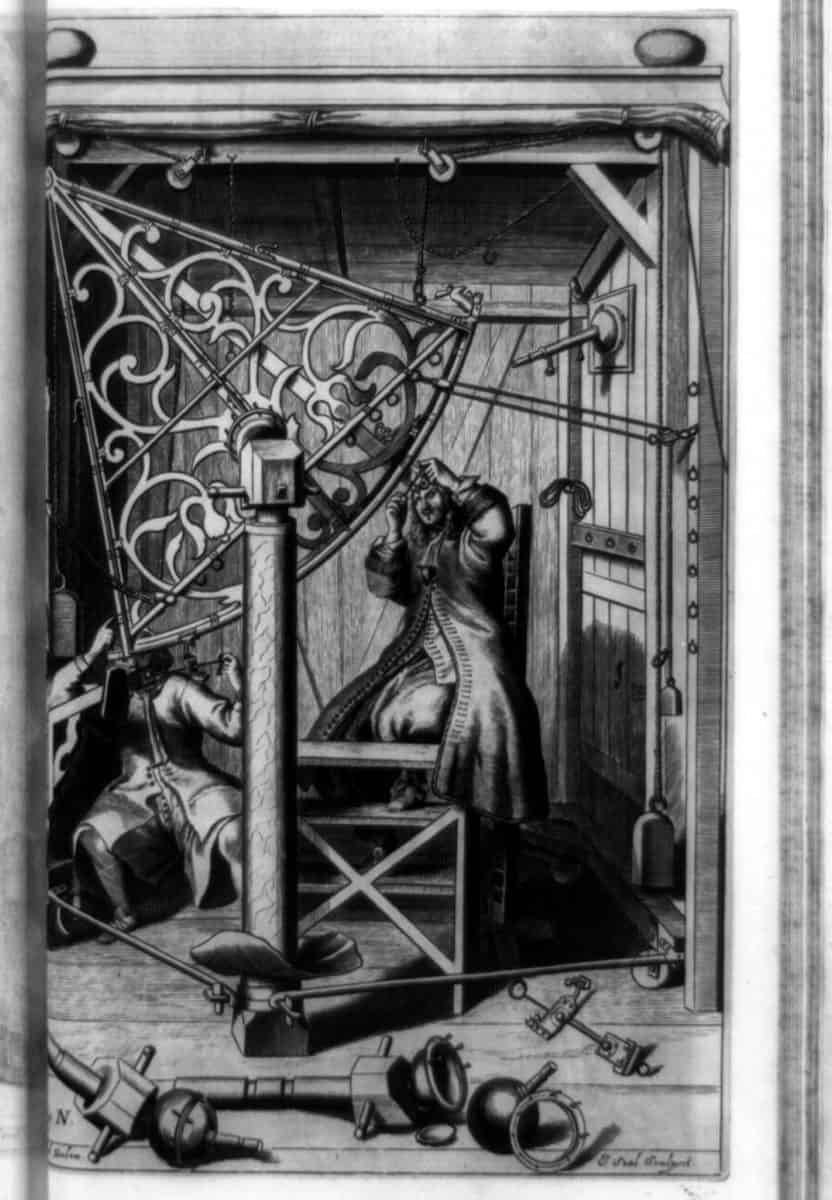
Sextants (sxt)
A sextant is an angle unit equal to 60 degrees, one-sixth of a full circle; it shares its name with the navigational instrument whose arc spans 60 degrees. One sextant equals 60 degrees or π/3 radians, approximately 1.047198 radians. Sextants enable precise celestial navigation by measuring the angle between celestial objects and the horizon.
Origin
The sextant was developed in the 18th century from John Hadley's 1731 reflecting octant, with the first sextants made around 1757, to improve maritime navigation by accurately measuring angles between stars and the horizon. It was adopted to replace less precise instruments like the quadrant.
Worldwide Use
Sextants remain in use worldwide, especially in maritime navigation training and by traditional sailors in countries with strong nautical histories such as the United Kingdom and the United States. They serve as reliable backups to electronic navigation systems.
Common References
- Angle measured between the horizon and a star for navigation
- Used to determine latitude at sea
- Angle graduations divided into degrees and arcminutes
- Essential tool in celestial navigation
- Measuring the altitude of the sun at noon